Artemis 2: Humanity Returns to the Moon
Artemis 2: The Next Giant Leap
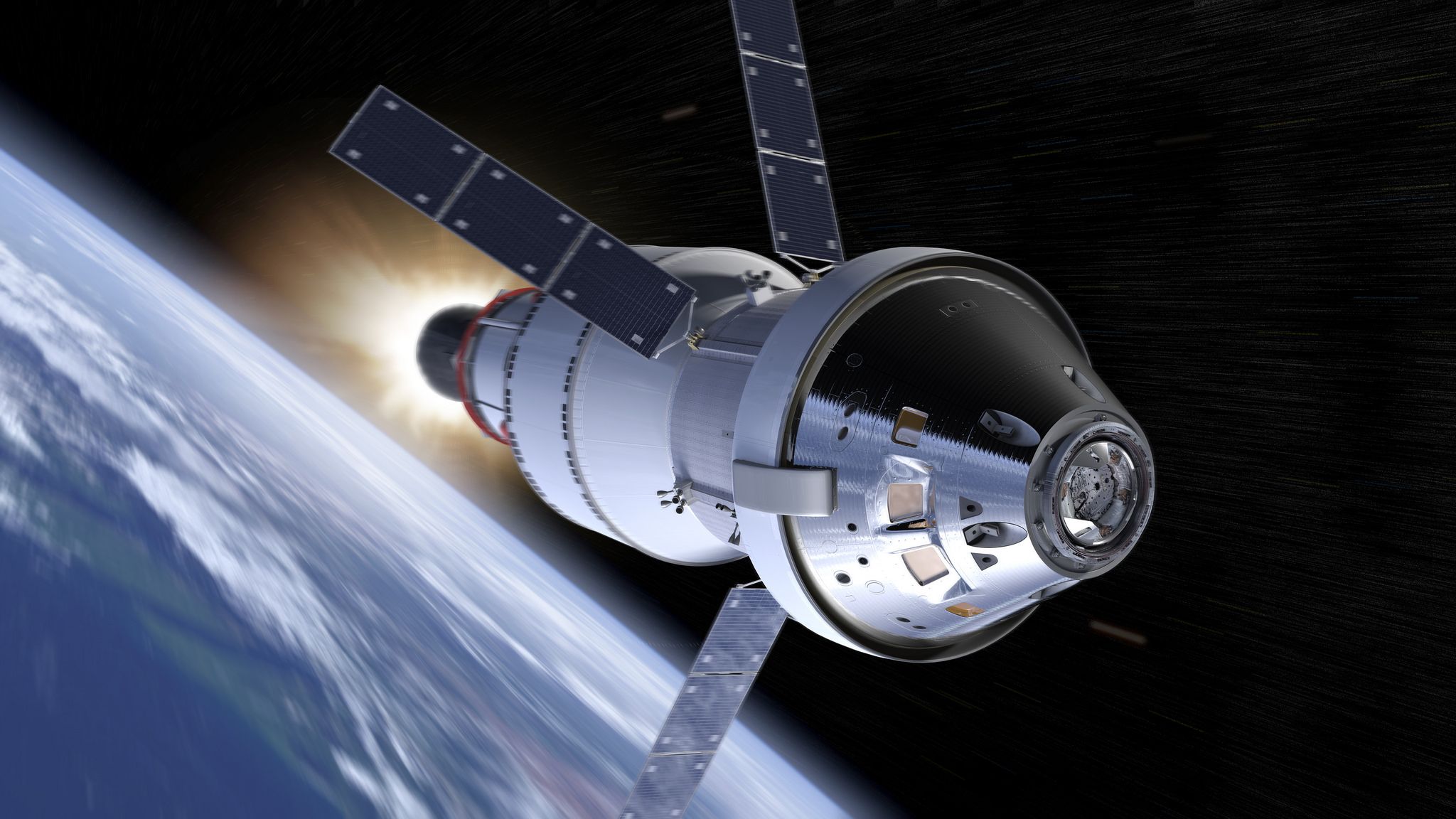
After over half a century, humanity is heading back to the moon. Under Artemis II, four astronauts will climb aboard the Orion spacecraft, launched by the towering Space Launch System (SLS), and venture farther into the cosmos than any humans have ever flown.
Unlike its uncrewed predecessor, the primary directive for Artemis 2 is to field-test life-support systems while traversing deep space. The mission isn't just about showing up—it's a critical proving ground for long-term lunar settlements under Artemis III, and, eventually, crewed missions to Mars.
The Flight of Orion
Over a span of approximately 10 days, Orion will circle our planet to guarantee critical systems function, perform a translunar injection, and whip around the dark side of the moon on a completely free-return trajectory.
A Historic Flyby
While the Apollo era (which culminated in 1972) saw short-term lunar visits, the Artemis generation introduces advanced environmental controls and prolonged testing. Upon reaching lunar orbit, the crew—which includes a Canadian Space Agency astronaut, marking the first time a non-American explores deep space—will take manual control of the spacecraft.
While the technical achievements are staggering, the human element remains at the core of the mission. As the crew sails past the lunar far side, the profound isolation is met with a desire to connect. Listen to a transmission of the crew's heartfelt message back to Earth:
Why a Free-Return Trajectory?
The "free-return" path ensures safety: Earth's and the Moon's gravity act like cosmic safety nets. If Orion's main engines suffer an anomaly, the gravitational pull of the moon will slingshot the crew right back homeward without relying exclusively on artificial propulsion.
Life Support and System Viability
Artemis 2 features a fully complete ECLSS (Environmental Control and Life Support System). Without this, sustained extra-terrestrial flights are impossible. During the journey, carbon dioxide is heavily scrubbed from the cabin, while pressure, humidity, and thermodynamics are constantly regulated. NASA will be monitoring the crew's bio-metrics endlessly.
Every data packet retrieved paves the way for humanity's permanent residence near the Lunar South Pole in the 2030s.
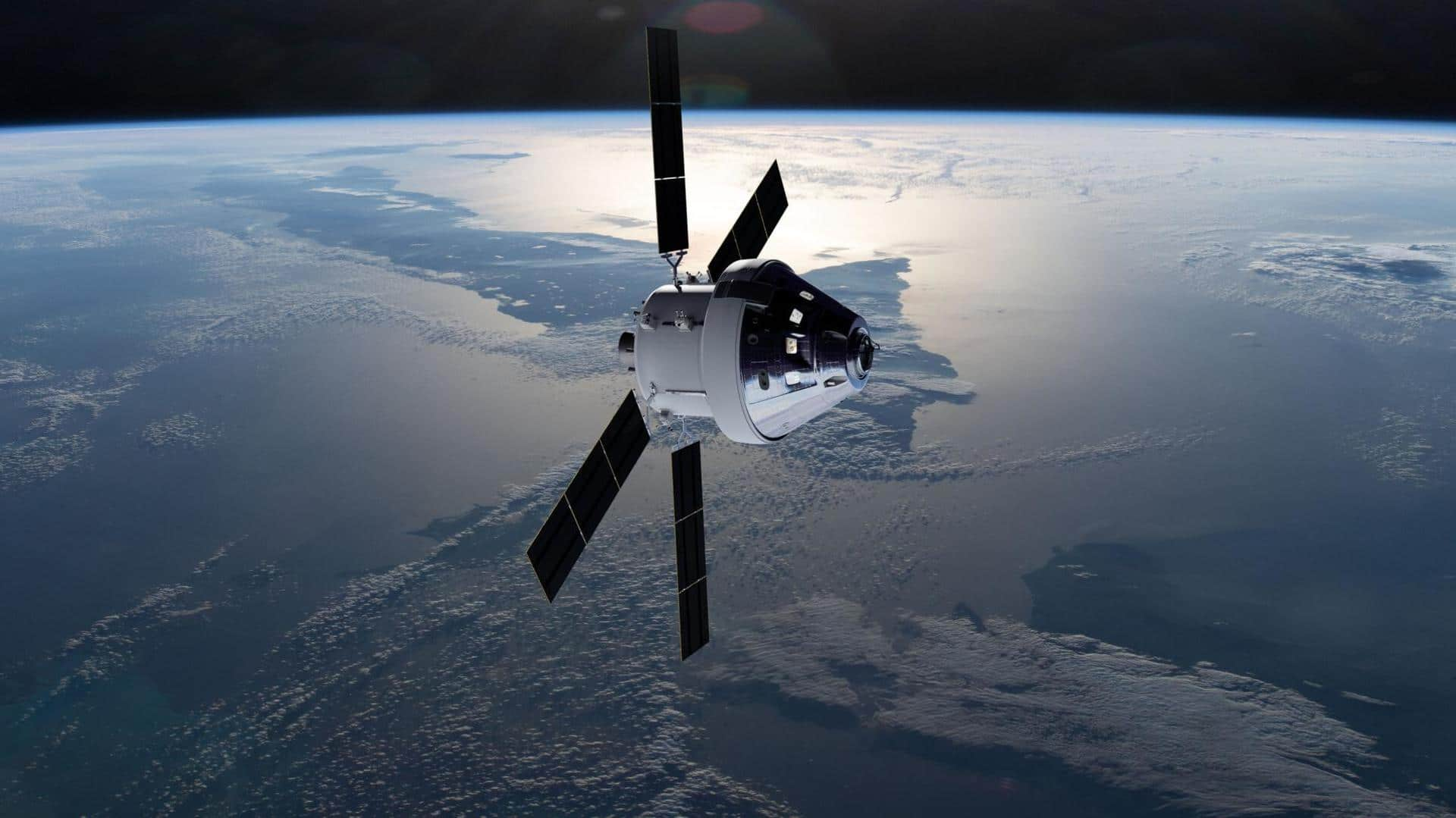
Earth is merely our cradle. Artemis II is taking us to the doorway of the stars, and the view has never been clearer.